Acupressure Points
by Admin
Posted on 08-12-2025 06:29 AM
What Are Acupressure Points?
Acupressure points, also known as acupoints, are specific locations on the body that lie along meridians—energy pathways that connect different parts of the body. According to traditional Chinese medicine, these meridians carry vital energy called "qi" (pronounced "chee"). When qi flows freely, the body remains in balance and health. However, blockages or imbalances in this energy flow can lead to discomfort or illness. Acupressure points act as gateways that can be stimulated to restore the smooth flow of qi, thereby addressing various physical and emotional ailments.
There are over 400 classical acupressure points documented in traditional texts, each with specific therapeutic effects. These points are often named after their location or function, such as "Union Valley" or "Great Hammer." Modern research has begun to validate the existence of these points, showing that they often correspond to areas rich in nerve endings, blood vessels, or connective tissue. When pressure is applied, it triggers physiological responses that can reduce pain, release tension, and improve circulation.
The Benefits of Acupressure
Acupressure offers a wide range of benefits that make it an appealing complementary therapy for many people. One of its most significant advantages is its ability to relieve pain naturally. Studies have shown that acupressure can effectively reduce headaches, menstrual cramps, lower back pain, and even arthritis discomfort by stimulating the release of endorphins, the body's natural painkillers.
Beyond pain relief, acupressure is renowned for its capacity to reduce stress and anxiety. By targeting specific points, it activates the parasympathetic nervous system, which induces a state of deep relaxation. This can lower heart rate, decrease blood pressure, and improve sleep quality. Additionally, regular acupressure practice has been linked to enhanced immune function, better digestion, and increased energy levels. Its holistic approach addresses not just symptoms but the underlying imbalances that contribute to health issues.
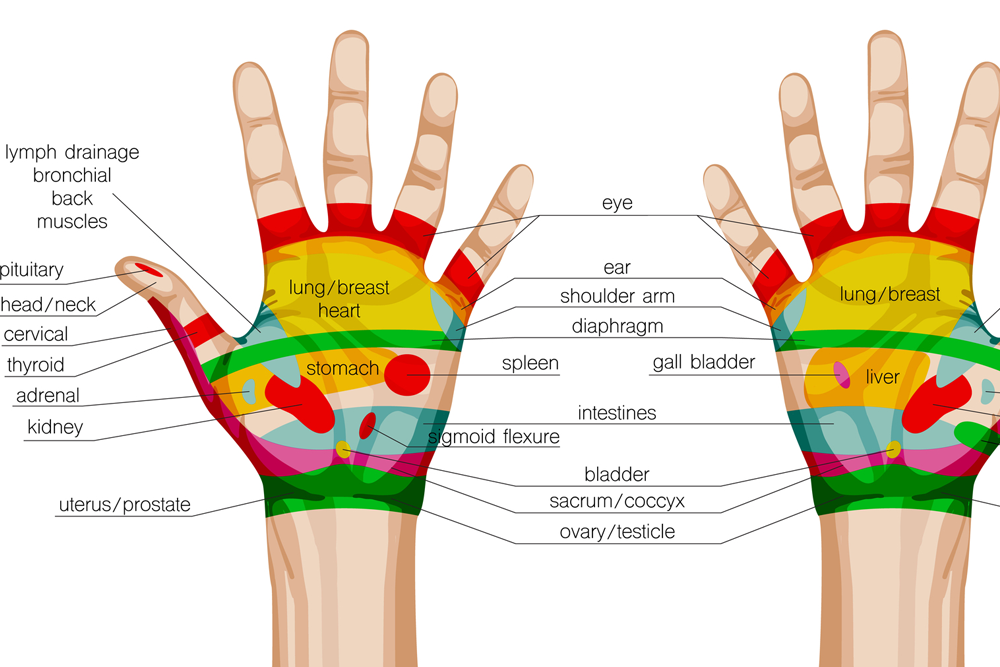
Effective diabetes management often involves exploring complementary therapies to support conventional treatments. Many patients find relief through traditional approaches including Acupressure Points which may help regulate blood sugar levels and improve overall wellbeing.
How to Locate and Stimulate Acupressure Points
Locating the Points
Finding acupressure points accurately is crucial for effective treatment. Points are often located in depressions between muscles, bones, or tendons and can be identified by their tenderness when pressed. Many points are measured in "cun," a traditional unit proportional to the individual's body dimensions. For example, one cun equals the width of the patient's thumb at the knuckle. Detailed acupressure charts or apps can help visualize point locations, but beginners should start with well-documented points like those between the thumb and index finger or at the base of the skull.
When searching for a point, apply gentle pressure with your fingertip in the general area. The correct point will often feel slightly tender or different from the surrounding tissue. Take your time to explore, as precise location varies slightly between individuals. Remember that consistency in practice improves your ability to locate points with confidence.
Techniques for Stimulation
Once located, stimulate the point using steady, firm pressure for 1-3 minutes. You can use your thumb, index finger, or middle finger, applying pressure in a circular or up-and-down motion. The pressure should be strong enough to feel a mild sensation but not so intense that it causes pain. Breathing deeply during stimulation enhances the effect by promoting relaxation and energy flow.
For deeper stimulation, you can use your knuckle, elbow, or a specialized acupressure tool. Some practitioners recommend holding the point while visualizing healing energy flowing through the meridian. Experiment with different techniques to find what works best for you, but always prioritize comfort and avoid excessive force.
Key Acupressure Points for Common Ailments
For Headaches
The "Union Valley" point (LI4), located in the web between the thumb and index finger, is highly effective for relieving headaches. Applying pressure here for 2-3 minutes can reduce tension and pain. Another useful point is "Gates of Consciousness" (GB20), found at the base of the skull in the hollows between the two vertical neck muscles. Massaging these points simultaneously can alleviate migraines and neck stiffness.
For Stress and Anxiety
The "Sea of Tranquility" (CV17), situated in the center of the breastbone three thumb-widths up from the bottom, is excellent for calming the mind. Gentle pressure here promotes emotional balance. The "Yin Tang" point, located between the eyebrows, is also powerful for reducing anxiety and inducing relaxation when pressed gently for 1-2 minutes.
For Digestive Issues
The "Three Mile Point" (ST36), found four finger-widths below the kneecap and one finger-width to the outside of the shinbone, improves digestion and relieves bloating. The "Joining the Valley" point (LI4), mentioned earlier for headaches, also aids in relieving constipation and abdominal discomfort when stimulated regularly.
Safety Precautions and Considerations
While acupressure is generally safe, certain precautions should be observed. Avoid applying pressure to areas with bruises, cuts, or inflammation. Pregnant women should avoid stimulating points like LI4 and SP6, as they can induce labor. People with heart conditions, cancer, or chronic illnesses should consult healthcare providers before beginning acupressure therapy.
If you experience sharp pain, dizziness, or discomfort during stimulation, stop immediately. Acupressure is a complementary therapy and should not replace professional medical treatment for severe conditions. Always listen to your body and adjust pressure accordingly to ensure a safe and beneficial practice.
Frequently Asked Questions
How long does it take to see results from acupressure?
Results vary, but many people feel immediate relief for acute issues like headaches. Chronic conditions may require consistent practice over weeks.
Can I perform acupressure on myself?
Yes, self-acupressure is common and effective for many points. Use mirrors or diagrams for hard-to-reach areas.
How often should I stimulate acupressure points?
For chronic issues, daily sessions of 5-15 minutes are recommended. Acute problems may need 3-4 sessions per day initially.
Is acupressure suitable for children?
Yes, but use lighter pressure and shorter duration. Consult a pediatric acupressure specialist for guidance.
Are there any side effects of acupressure?
Side effects are rare but may include temporary soreness or bruising at stimulation sites.
Can acupressure help with insomnia?
Absolutely. Points like HT7 (on the wrist) and PC6 (on the inner forearm) are particularly effective for promoting sleep.